
New Writing: Photography, History, Invisible Archives
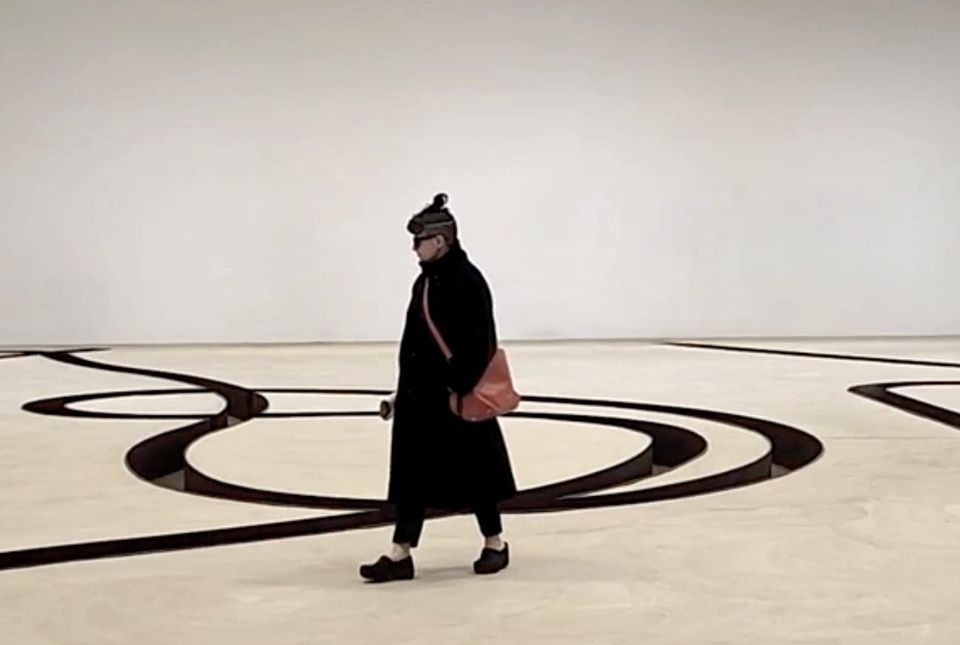
Sometime in 1996 I met someone at a little Malaysian restaurant, near my weekend job as Assistant Art Director at a local arts magazine. I was still in art school, and made my own hours at the magazine office at 611 Broadway. That office was so small, just enough room for a desk, a computer, and a knobless door. After printing at SVA's darkrooms, I always went two blocks home for lunch, then off to work downtown. Sarong Sarong was a little restaurant on Bond or Bleecker Street, I don't exactly remember, but it was a convenient place for two vegetarians to meet up on the cheap. The menu of Sarong Sarong was the last thing I was expecting to see at a contemporary art exhibition, but there it was!

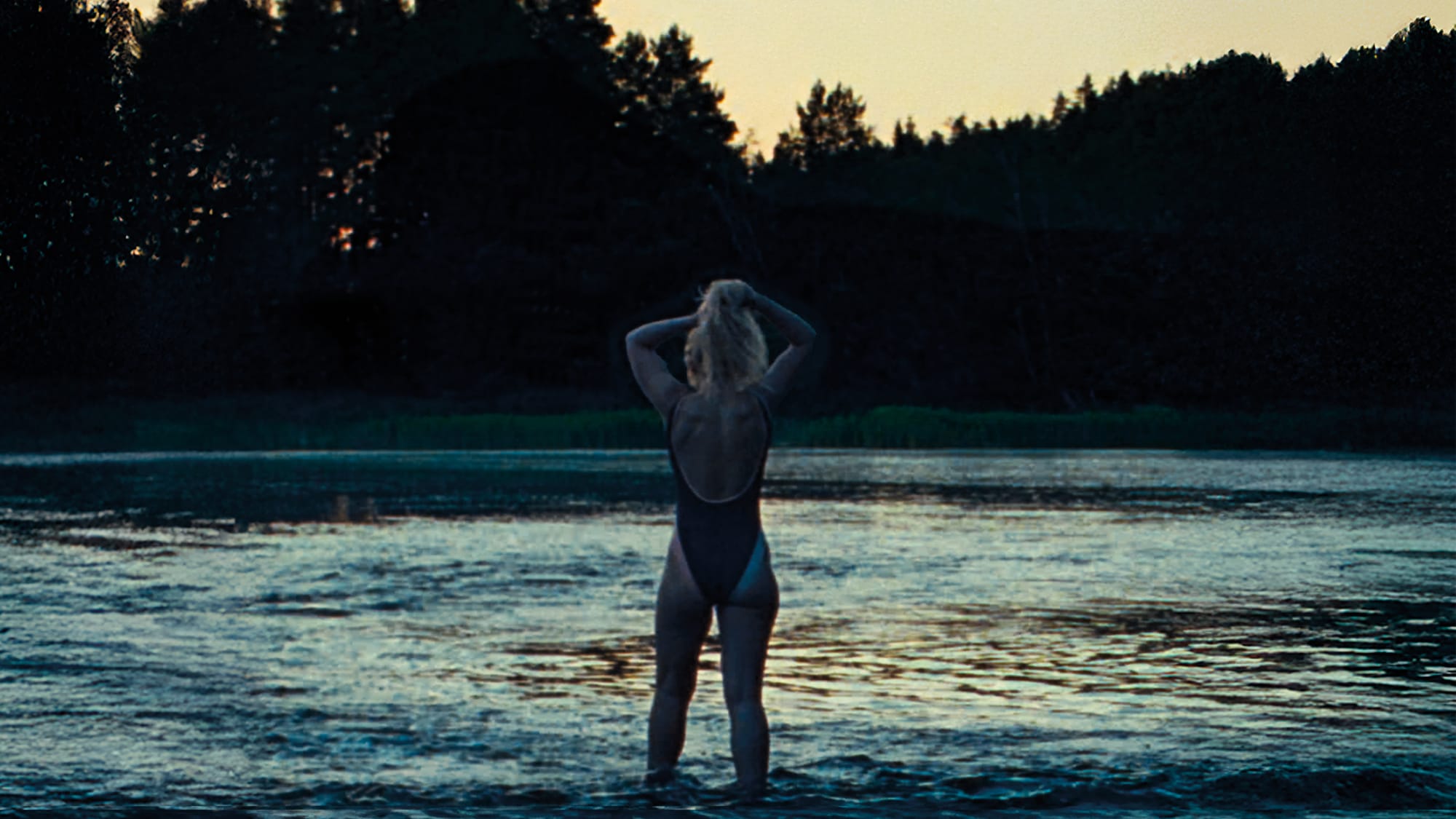
Left: photo from The Web exhibition, 2025; Right: Film still from The Chronology of Water, 2025
The Chinese American Arts Council held an exhibition of New York City's only Asian-owned LGBT club, The Web: The Birth and Legacy of New York’s First Asian Gay Bar. Part of the exhibition's installation was a little small table, with two chairs, a Sarong Sarong menu, and a book of Chinese poetry—a recreation of how important Sarong Sarong also was to Asian Queer communities at that time. Sarong Sarong and The Web club were both owned by Alan Chow. As one of the co-curators states: "These archives and people built visibility, solidarity, and culture long before such stories were widely acknowledged."
I've only seen Kristin Stewart in one film ten years ago, Assayas' Clouds of Sils Maria, 2015. After three short films Steward debuted a feature film based on Lidia Yuknavitch's The Chronology of Water. It's a film that made time more malleable than what I'm used to in mainstream theaters. The film's sense of timing gave way to multi-dimensional modes that were as raw as they were sensorial. Through a sequencing of pulsing imagery Yuknavitch and Stewart gave language to the unofficial archive of post-traumatic stress growth experienced by teenage girls.
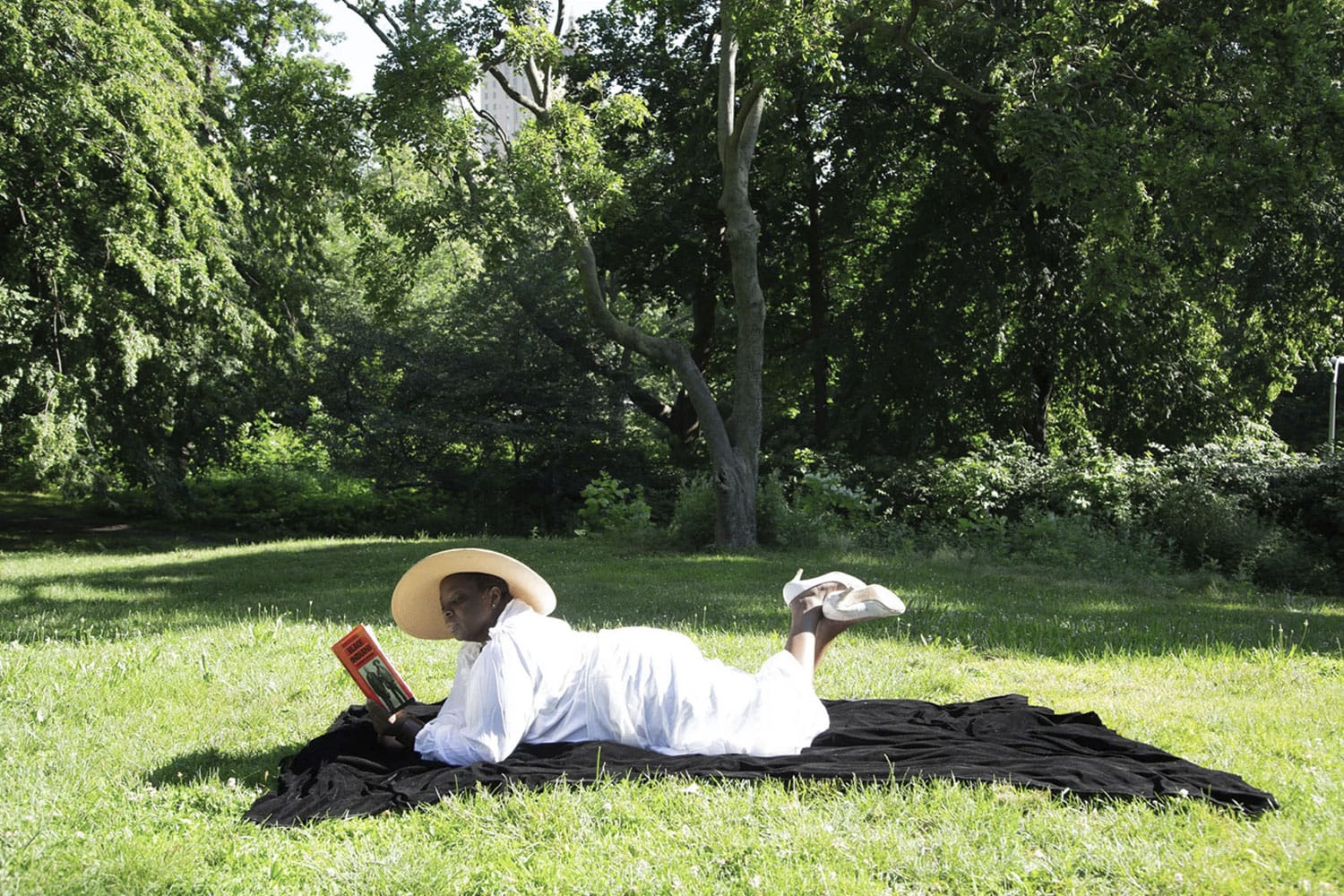
In 1990 when The Web opened in Manhattan, Lydia Yuknavitch was transitioning from competitive swimming into college life on the West Coast. In 1993, Nona Faustine began studying photography at SVA and Qiana Mestrich was studying photography at Emma Willard School. Two years behind Nona I was also at SVA in the undergraduate Photography Department. This month, I had the pleasure of reviewing Qiana and Nona's concurrent exhibitions at CPW right now. When the three of us met at a Bard College program in 2011, Nona recognized me from SVA. We didn't have classes together, we just made small talk waiting in line for equipment at the same time, on the sixth floor of SVA's Photo building. When Nona brought me a photo of herself from those years I recognized her immediately—there weren't that many Black women with long braids at SVA so I instantly remembered. The Chronology of Water was published the same year that me, Qiana, and Nona started grad school in midtown Manhattan.
Photography changed significantly by the time we three received our MFA diplomas but the social role of photography has evolved in scope without significantly changing. People get very caught up on niche strands of applications and monetizations of technocratic "solutions" that really, just become outdated before the next evolution of the medium permeates workflows at scale. As Hilton Als recently wrote about The Whitney Biennial, "once you start to believe that production (or reproduction) alone justifies the work, you’re in trouble". When Als asks us to witness "...the vast divide between the artists who had worked to find a new vocabulary and those who were centered squarely in a language that was not their own," that is an open call.